Study in Italy · Study in Malta · 2027-28 intake

Italy or Malta? Choose with the facts, not the sales pitch.

Two very different routes into Europe: Italy's historic public universities, and Malta's English-medium island campuses. Tell us your course, marks and budget, and a counsellor will show you which one fits, and what it really costs.

  • Costs in writing before you commit
  • We never guarantee admission or a visa
  • Parents are welcome on every call

Talk to an expert, free

A counsellor will call you at your preferred time. Parents are welcome.

Please enter your name.
Enter a valid mobile number.
Enter a valid email.
Please choose one.

Free, no-obligation. We never share your details.

2027-28 intakeSome windows open now
Costs in writingBefore you commit
Free first callNo obligation
Parents welcomeOn every call
At a glance

Italy or Malta? The honest comparison

Same continent, very different rules. Here is how the two stack up on the things families ask about first.

ItalyMalta
Language of studyEnglish-taught programmes at selected universities (usually B2 English). Italian-taught courses need B2 Italian.English-medium. The University of Malta requires an approved English test; MCAST has other routes.
Intake to plan forSeptember 2027. Politecnico di Milano's first calls for that entry open on 1 October 2026.University of Malta: October and February intakes.
TuitionVaries by university and student profile. Politecnico di Milano: €880.04 first instalment plus €0 to €3,003. Sapienza's published flat band for India is €300 a year (confirm for your year).Set by course. University of Malta, BSc IT (Hons): €10,800 per academic year for non-EU students.
Working while you studyUp to 20 hours a week and 1,040 hours a year.Part-time, stated as up to 20 hours a week, with an employment licence. Confirm the current limit.
After graduationA 9 to 12 month job-search permit can be requested after an Italian degree.A one-time 9-month post-study permit. It is not a work permit.
Visa funds€10,179.85 a year (2026-27 consulate checklists).At least 60% of Malta's national equivalised income threshold, pro-rated.
Visa routeUniversitaly pre-enrolment first, then a Type D study visa through VFS Global.Type D visa before you travel. The residence permit is applied for in Malta after you arrive.

Sources: Italian consulate checklists and university pages (2026-27), QS World University Rankings 2027, Identità Malta, the University of Malta, MCAST and Malta Enterprise, accessed October 2026. Rules change every year, so we confirm the current position in writing before you apply.

Quick pick

Which one sounds like you?

Choose Italy if…
  • You want a research-led public university and are happy to plan early for September 2027.
  • Your subject is architecture, design, engineering, business, law or the sciences.
  • You are comfortable with deadlines, Universitaly pre-enrolment and consulate paperwork.
  • You want a route that can include merit scholarships and a job-search permit afterwards.
Explore Italy →
Choose Malta if…
  • You want English-medium study on a small island with an international campus community.
  • You like the idea of two intakes a year at the University of Malta (October and February).
  • You are open to staying and working in Malta, where the Get Qualified tax credit can apply.
  • You will check an institution's licence before you pay any fee.
Explore Malta →
Explore your route

Everything we tell families, one tab at a time

Pick a country, then move through the tabs: universities, costs, how to apply, visa, work and the questions we hear most.

Study in Italy

Study in Italy for Indian students

Degrees from some of the world's oldest universities, with public fees that can be a fraction of other destinations. The catch is the paperwork. That is where we come in.

  • #87Politecnico di Milano, QS 2027
  • 20 h/weekstudent work limit
  • B2typical English level
  • Sept 2027intake to plan for

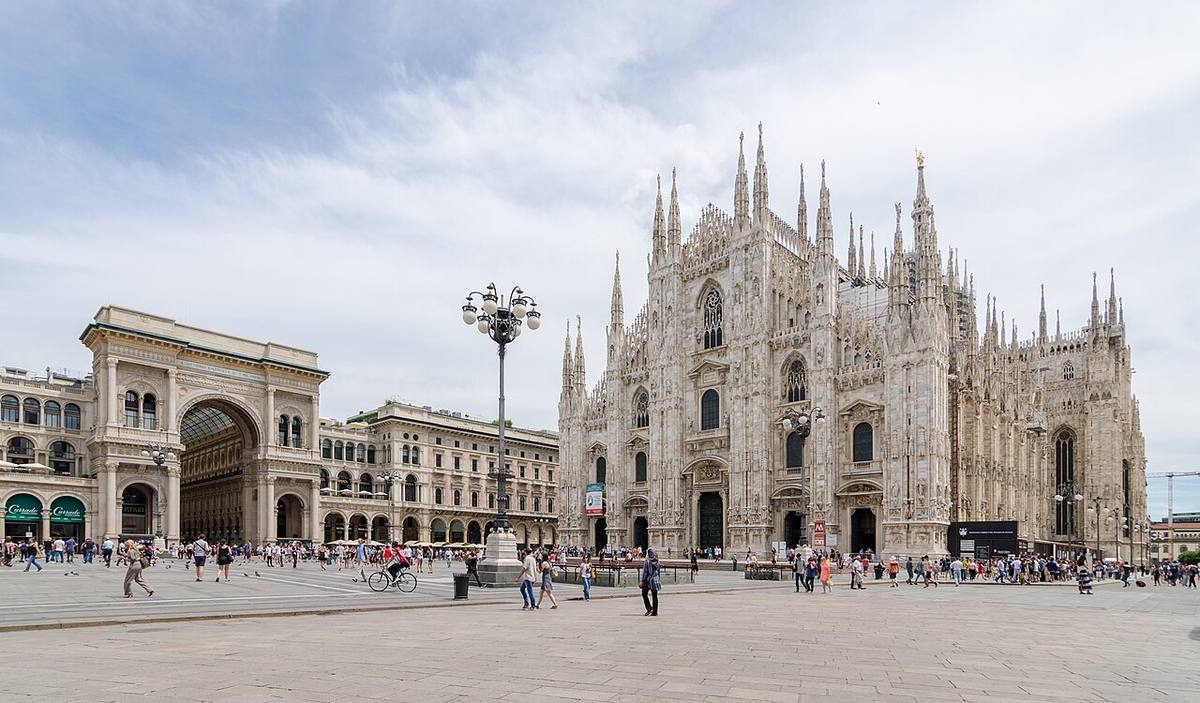
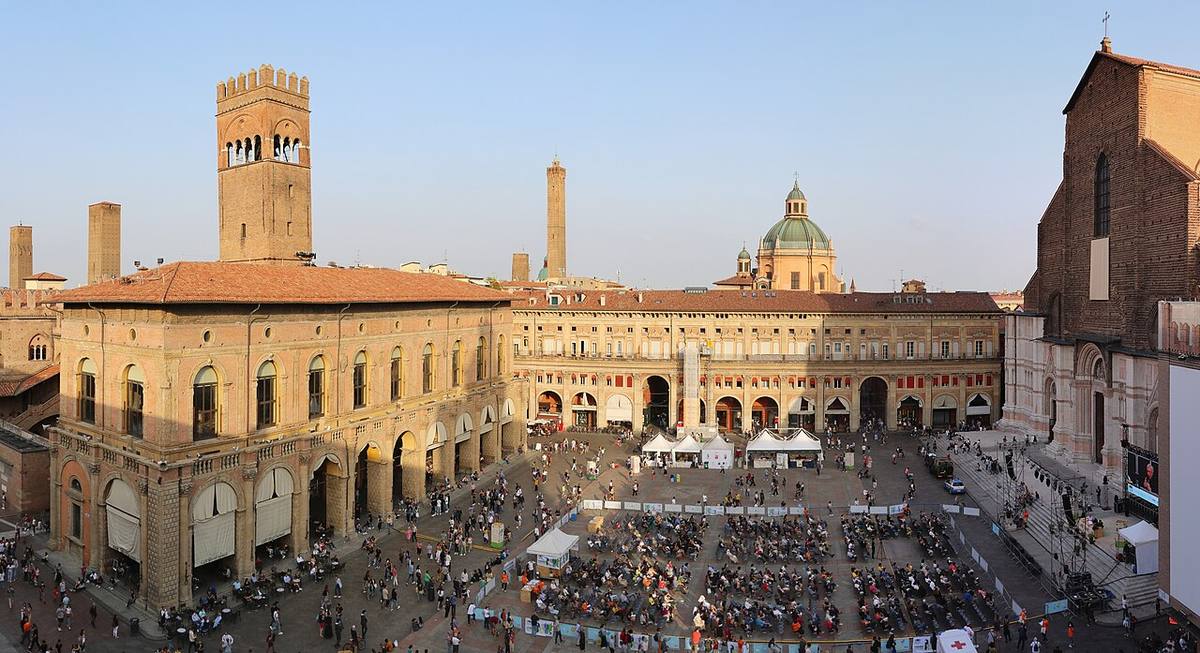
Piazza Maggiore, Bologna · Photo: Ingo Mehling · CC BY-SA 4.0 · Wikimedia Commons

Italy offers quality education in a multicultural environment, with internationally recognised degrees from universities such as the University of Bologna, Politecnico di Milano and Sapienza. Students can officially work up to 20 hours a week to help with expenses.

The tabs above hold what we tell every family who asks about Italy: what it costs, how to apply in order, the visa checklist and the questions we hear most.

Serious universities

Politecnico di Milano ranks 87th in the QS World University Rankings 2027 and is the highest-ranked university in Italy. Sapienza (111th) and Bologna (123rd) follow.

Fees that vary, and can be low

Public universities set fees by programme and student profile. Sapienza, for example, publishes a flat band for students from certain countries, with India in its lowest. Some Master's students also win merit scholarships.

English-taught programmes

Many Master's programmes are taught in English. Most ask for B2-level English, but the exact score is set programme by programme.

Work while you study

A study permit allows part-time work: up to 20 hours a week and 1,040 hours a year. After an Italian degree you can request a 9 to 12 month job-search permit.

Want this checked against your marks and budget? A counsellor will tell you honestly what is realistic.

Universities worth shortlisting

Milan · Architecture, design, engineering

Politecnico di Milano

QS 2027: 87th in the world and 1st in Italy. Ranked 6th for architecture, 7th for design and 20th for engineering (QS by Subject 2026).

Rome · Wide range of subjects

Sapienza University of Rome

QS 2027: 111th in the world. A large Rome university whose international admissions page publishes fee bands by country.

Bologna · Wide range, including Medicine

University of Bologna

QS 2027: 123rd and 3rd in Italy. Medicine and Surgery in English is entrance-test based (IMAT), with limited seats for non-EU students: 20 for 2026/27.

Padua · Historic university

University of Padua

QS 2027: 204th in the world. One of Italy's best-known historic universities.

Milan · Business and economics

Bocconi University

A private university known for business and economics. MSc and MA entry typically asks for IELTS Academic 6.5, with at least 6.0 in each section.

Milan · Wide range of subjects

University of Milan

QS 2027: 270th in the world, and a large public university in the same city as Politecnico and Bocconi.

Rankings: QS World University Rankings 2027 (published June 2026). A ranking is one input, not a verdict. We match universities to your course, marks and budget, and shortlist only institutions you can verify yourself on Universitaly.

Study areas at popular universities

  • University of Bologna: Economics, Law, Engineering, Political Sciences
  • University of Milan: Medicine, Computer Science, Economics
  • Sapienza University of Rome: Engineering, Psychology, Science
  • Politecnico di Milano: Architecture, Engineering, Design
  • University of Padua: Business, Physics, Astronomy
  • University of Florence: Arts, Architecture, Agriculture
  • Bocconi University: Business, Economics, Finance
  • University of Pisa: Political Science, Business, Law

Which programmes are taught in English changes by year and level. We confirm the current list for your course.

What studying in Italy costs

€10,179.85Visa funds for one year2026-27 consulate checklists, about €848 a month
€880 + €0 to €3,003Politecnico di Milano tuitionA first and a second instalment (2026/27)
€300Sapienza's flat band for IndiaPer year, in its published bands. Confirm for your year
20 h / weekPart-time work limitAnd 1,040 hours a year on a study permit

Line by line

What to expectGood to know
Tuition at a public universitySet per university and student profile. Politecnico di Milano (2026/27): a first instalment of €880.04, then a second of €0 to €3,003. Sapienza publishes a flat band of €300 a year for India.Students with a foreign degree and no scholarship are usually assessed at the maximum at Politecnico. We confirm your exact figure in writing.
Application feePolitecnico di Milano: €50 early-bird or €150 standard (for September 2027 entry).Other universities set their own.
Visa financial proof€10,179.85 for a year, about €848 a month (2026-27 consulate checklists).Updated every year. We check the current figure for your consulate.
Health insuranceRequired for the visa. The cover differs by consulate: for example a €30,000 minimum at some, Schengen-compliant cover at others.We follow the checklist for your jurisdiction.
AccommodationA shared flat or university residence. The visa asks for proof of accommodation for the first 30 days.Costs vary a lot between cities.

Figures come from university and consulate pages for 2026-27 and change each year. Before you commit, we give you an itemised, year-by-year cost sheet in writing.

Want this checked against your marks and budget? A counsellor will tell you honestly what is realistic.

Key dates to plan around

Windows and deadlines change every year. We confirm the current ones for you.

1 Oct – 1 Dec 2026Politecnico di Milano, Engineering: first call for September 2027 entry
to 28 Jan 2027Politecnico di Milano, Architecture and Design
31 Oct 2027Consular visa deadline for 2027/28 Bachelor's and Master's (plan far earlier)

How to apply, in order

  1. 1

    Choose your course and shortlist

    We match your degree, marks and budget to universities and programmes you can verify.

  2. 2

    Apply to the university

    Politecnico di Milano's first call for September 2027 entry runs from 1 October to 1 December 2026 for Engineering, and to 28 January 2027 for Architecture and Design. Other universities have their own windows.

  3. 3

    Pre-enrol on Universitaly

    Foreign students register on Universitaly and the university validates it. This comes before the visa application.

  4. 4

    Apply for the Type D study visa

    Through VFS Global, by appointment. Allow up to 90 days for processing. The consular deadline for 2027/28 Bachelor's and Master's is 31 October 2027, but plan far earlier.

  5. 5

    Fly and settle in

    We brief you on arrival, accommodation and the residence-permit steps before you travel.

Documents for your university application

  • Identity document
  • Academic transcripts of your previous studies
  • University application form
  • Letter of recommendation
  • Personal statement
  • English or Italian language proof, as the programme requires

Want this checked against your marks and budget? A counsellor will tell you honestly what is realistic.

Italian student visa checklist

  • Universitaly pre-enrolment summary
  • Passport valid for at least 3 months beyond the visa period
  • Apostilled and attested degree and transcripts, plus a CIMEA statement or Declaration of Value if your university asks for one
  • English (or Italian) language evidence, usually B2, as the programme requires
  • Proof of accommodation for the first 30 days
  • Six months of bank statements and proof of funds (€10,179.85 in 2026-27)
  • A one-way ticket reservation, not a round trip
  • Health insurance as your consulate requires

Rules differ, so we check yours

Checklists differ slightly between the Italian consulates in Mumbai, Bengaluru, Delhi and Kolkata. We follow the one for your jurisdiction.

Scholarships, work and life after graduation

No blanket 100% scholarship exists. Funding comes from several separate routes, each with its own rules and deadlines.

Government of Italy (MAECI) scholarship: €10,800 for nine months, for Master's, PhD and research students. It is competitive, and the 2026-27 call closed in March 2026. We will tell you when the next call opens.

Regional DSU awards: income- and merit-tested, with deadlines that usually fall in summer. Non-EU students must submit income and asset documents, translated and legalised.

University merit scholarships: some universities, Politecnico di Milano for example, offer merit awards to international Master's applicants, including full tuition waivers. They are competitive and have early deadlines.

Working: up to 20 hours a week and 1,040 hours a year on a study permit.

After you graduate: you can request a 9 to 12 month job-search permit after an Italian degree. We do not promise a job.

More about studying in Italy

Italian universities offer Bachelor's, Master's and PhD programmes under the European Bologna framework. Public universities are known for rigorous teaching and research, with particular strengths in architecture, arts, history and science.

Even on English-taught courses, some Italian helps with everyday conversation, part-time work and making local friends. It also opens the door to Italian-taught programmes.

Students commonly find part-time work in hospitality, retail, sales, tourism and digital marketing. Your permit limits you to 20 hours a week, and jobs and pay vary, so we never promise income.

  • Rome: history, culture and Sapienza, one of Italy's largest universities.
  • Milan: Italy's business and design hub, home to Politecnico di Milano, Bocconi and the University of Milan.
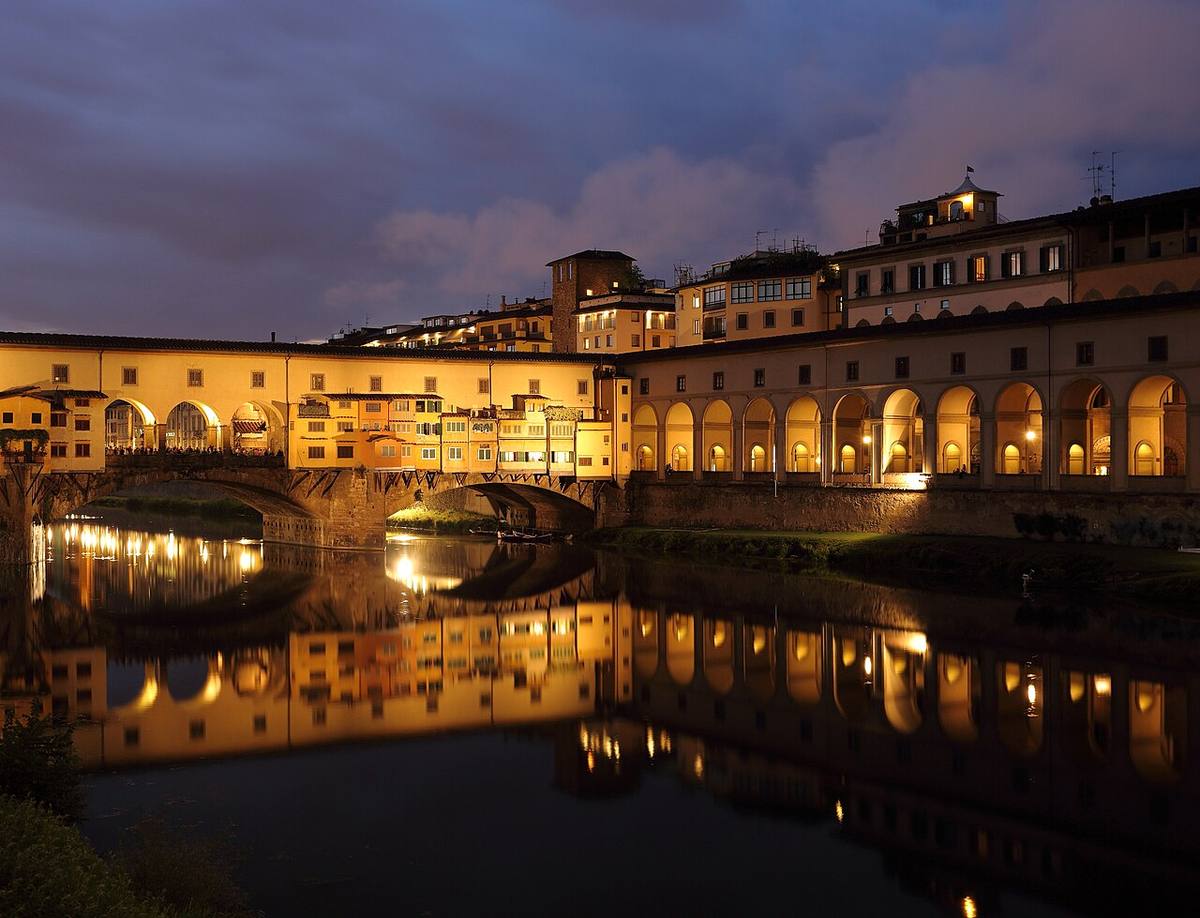
  • Florence: a city of art and architecture, and the home of the University of Florence.

Housing options include shared flats, student residences and private rooms. Italy also has a diverse, multicultural student community.

Italy: questions we hear most

No blanket scholarship exists. The Italian government's MAECI scholarship pays €10,800 for nine months and covers Master's, PhD and research, not Bachelor's. Regional DSU awards are income- and merit-tested. Some universities offer merit-based tuition waivers. We explain what you could realistically qualify for.

At selected universities, yes, through an entrance test (the IMAT at Bologna). Seats for non-EU students are limited: Bologna offered 20 for 2026/27. The tests fall in September, so plan a year ahead. If you want to practise in India afterwards, check the current NMC rules before you commit.

No. Each programme sets its own. The Master's in Medical Biotechnology at Bologna asks for IELTS 5.5 or higher, while Bocconi's MSc programmes ask for 6.5 overall with at least 6.0 in each section.

Not for English-taught programmes. Italian-taught courses need B2 Italian for the visa. A little Italian makes daily life and part-time work easier either way.

Want this checked against your marks and budget? A counsellor will tell you honestly what is realistic.

Study in Malta

Study in Malta for Indian students

A small island with English-medium degrees, Mediterranean weather and Schengen travel on your doorstep. It also asks you to be careful about which college you choose.

  • 29Schengen countries
  • Oct & FebUniversity of Malta intakes
  • €10,800UM BSc IT, non-EU, per year
  • 9 monthspost-study permit

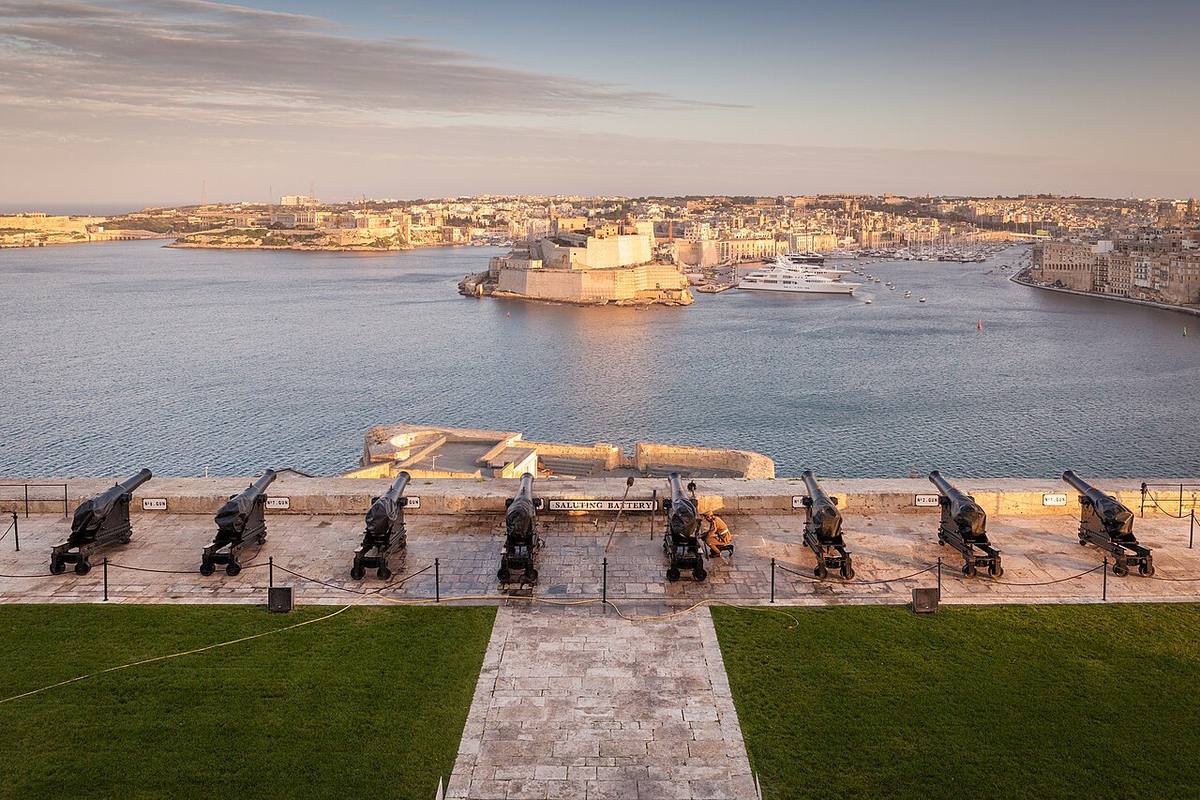
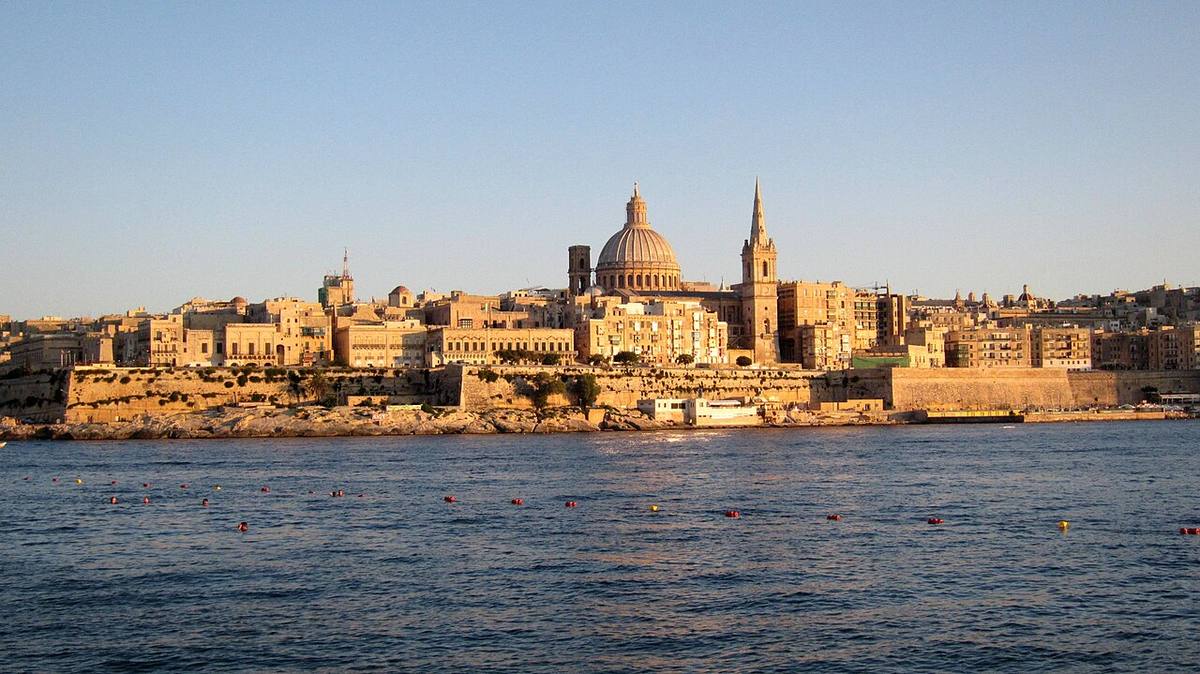
Valletta from Marsamxett Harbour · Photo: Martin Furtschegger · CC BY 3.0 · Wikimedia Commons

Many Indian students look past the usual study-abroad destinations (the UK, Canada, Australia) and land, almost by accident, in Malta. It is a small Mediterranean island nation, barely 316 square kilometres, and it has quietly become a serious option for students who want an English-medium European degree.

The tabs above hold what we tell every family who asks about Malta: what it costs, how to apply in order, the visa checklist and the questions we hear most.

English-medium study

Degrees at the University of Malta and MCAST are taught in English. The University of Malta asks for an approved English test, while MCAST can accept Class 12 English marks or an English-medium letter at some levels.

Schengen on your doorstep

Malta is one of 29 Schengen countries. With a Maltese long-stay visa or residence permit you can travel in other Schengen states for up to 90 days in any 180.

Two intakes at the University of Malta

October and February. Non-EU applicants who need a visa must submit English results by 1 July for October, or 10 November for February.

A tax credit after you graduate

Malta's Get Qualified scheme offers a tax credit of up to 70% of eligible tuition, capped per credit (€75 per ECTS at Bachelor's level, €170 at Master's). It is claimed only against Maltese tax you pay after graduating, so it is not a cash refund.

Want this checked against your marks and budget? A counsellor will tell you honestly what is realistic.

Where you could study

Msida · Public university

University of Malta

Malta's main public university, founded in 1592, with October and February intakes. Example: BSc IT (Hons) costs non-EU students €10,800 per academic year, and a €1,000 deposit is due within 21 days of your acceptance letter.

Paola · Public vocational college

MCAST

Malta's main vocational college, with programmes from MQF level 1 to 7 in engineering, IT, business, health and creative arts. Applications from outside Malta are generally accepted from April to mid-August.

Global College Malta · American University of Malta · GBS Malta

Private institutions

Private institutions focus on business, hospitality, management and liberal-arts programmes, with their own intakes and fees. We confirm each institution's licence on the regulator's database before you pay anything.

Check that a Maltese institution is licensed by the MFHEA, and that your course is full-time and at MQF level 5 or above, before paying any fee. A study permit is granted only for full-time courses at licensed institutions.

Courses and institutions

  • Business: Business Administration, International Business, Marketing, Finance, Entrepreneurship
  • IT: Computer Science, Information Technology, Cybersecurity, Software Engineering (University of Malta and MCAST)
  • Engineering: Electronics, Mechanical and Civil Engineering (mainly University of Malta and MCAST)
  • Tourism and hospitality: Tourism Management and Hospitality, often with industry placements

Courses and intakes vary by institution. We confirm what is open for your intake.

  • University of Malta (public): Arts, Science, Engineering, Medicine, Law and Business.
  • MCAST (public): vocational and technical programmes, from engineering and IT to creative arts and health sciences.
  • Global College Malta (private): business and management.
  • American University of Malta (private): a liberal-arts model with engineering, business, and arts and sciences.
  • GBS Malta (private): business, finance, hospitality and management.

Private institutions set their own fees and intakes. We confirm each institution's licence on the regulator's database before you pay anything.

What studying in Malta costs

€10,800University of Malta, BSc IT (Hons)Per academic year for non-EU students. Fees vary by course
€1,000University of Malta depositDue within 21 days of your acceptance letter
€100,000Minimum health coverNot needed if you study at UM, MCAST or ITS
Up to 70%Get Qualified tax creditCapped per ECTS and claimed only against Maltese tax you pay after graduating

Line by line

What to expectGood to know
Tuition at the University of MaltaSet by course. Example: BSc IT (Hons), three years, non-EU: €10,800 per academic year.Each course page lists the non-EU fee. A €1,000 deposit is due within 21 days of acceptance.
Tuition at MCASTPublished as a yearly fee schedule for non-EU students. The first instalment is due before your visa documents are issued.Fee schedules change each year. We send you the current one.
Student permitA €50 permit fee. Valid for up to one year and renewed annually.You apply for it in Malta after you arrive.
Health insuranceAt least €100,000 of cover is required, unless you study at the University of Malta, MCAST or ITS.Check whether your institution is exempt.
Living costsThe University of Malta's guide estimates €550 to €700 a month for a shared room, around €450 for food and about €50 for utilities.Plan above the minimum funds you show for your visa.

Figures come from the University of Malta, MCAST and Identità Malta pages and change over time. Before you commit, we give you an itemised, year-by-year cost sheet in writing.

Want this checked against your marks and budget? A counsellor will tell you honestly what is realistic.

Key dates to plan around

Windows and deadlines change every year. We confirm the current ones for you.

1 JulyUniversity of Malta: English results for the October intake (non-EU applicants who need a visa)
10 NovemberUniversity of Malta: English results for the February intake
8 weeks to 6 monthsApply for your Type D study visa before the course starts

How to apply, in order

  1. 1

    Choose and verify

    We shortlist courses and check the institution's licence and the course level before anything else.

  2. 2

    Apply and sit your English test

    The University of Malta needs its English results by 1 July (October intake) or 10 November (February intake) if you need a visa.

  3. 3

    Accept the offer and pay the deposit

    The University of Malta takes €1,000 within 21 days. Get every institution's payment and refund terms in writing first.

  4. 4

    Apply for the Type D study visa

    Apply at least 8 weeks, and at most 6 months, before your course starts. The visa application asks for your acceptance letter and proof of payment.

  5. 5

    Arrive and apply for your residence permit

    You cannot apply for the residence permit from abroad. You apply in Malta after you land.

Want this checked against your marks and budget? A counsellor will tell you honestly what is realistic.

Maltese student visa and permit checklist

  • Acceptance letter showing the course, its duration and fees, with proof of payment
  • Bank statements for the last three months showing at least 60% of Malta's national equivalised income threshold, pro-rated. A sponsor declaration is allowed.
  • Health insurance of at least €100,000, unless you study at the University of Malta, MCAST or ITS
  • Proof of accommodation, either a lease approved by the Housing Authority or a declaration from your institution
  • Health screening clearance
  • Apostilled and translated documents, and a passport valid for at least 6 months

Rules differ, so we check yours

Identità, Malta's immigration agency, sets these rules and can change them. We check the current requirements for you.

Work, residence and staying safe

Working: part-time only. It is stated as up to 20 hours a week, and your employer must obtain an employment licence through Jobsplus. Identità's own pages give different limits, so we confirm the current rule with you.

After you graduate: a one-time 9-month post-study permit is available for graduates of MQF level 5 and above. It lets you stay and look for work. It is not a work permit, so a job needs its own permit.

Long-term residence needs five years of continuous legal residence. We do not promise residency outcomes.

Beware of fake offers. The High Commission of India in Malta warns students to verify admission letters directly with the institution and to be careful about fees that cannot be refunded.

Transport: the University of Malta's guide says public transport is free for holders of the e-residence permit.

More about studying in Malta

  • European structure: Malta follows the Bologna Process, so degrees use the European credit system (ECTS).
  • English-speaking: English is an official language, and mainstream programmes are taught in English.
  • Safe and multicultural: a small island with an international student community, including students from South Asia.
  • Schengen: Malta is one of 29 Schengen countries.

  • Structure: Bachelor's, Master's and Doctoral degrees on the European Bologna framework, regulated by the Malta Further and Higher Education Authority (MFHEA).
  • Credits: ECTS, so credits transfer easily if you later move between European institutions.
  • Calendar: most institutions run from October to June in two semesters. Some offer a January or February intake.
  • Teaching: lectures with seminars and tutorials, plus group work and applied assignments.

  • Campus clubs, societies and sports groups.
  • A steadily growing Indian community, with Indian groceries and restaurants easy to find, and Diwali and Holi celebrated within student groups.
  • Local festivals such as Carnival in February.
  • Career fairs and industry meetups, which are easier to reach in a small country.

Malta's economy is strong in iGaming, fintech, hospitality, IT and healthcare. Students typically look for part-time work in retail, hospitality and customer support during term. Work is limited and needs a licence, and we never promise a job.

Malta is generally regarded as a safe country with low crime. For a study permit you need private health insurance of at least €100,000, unless you study at the University of Malta, MCAST or ITS.

Malta: questions we hear most

It depends on the institution. The University of Malta requires an approved English test from applicants educated overseas, and applicants with Indian Class 12 are usually routed through its Foundation Studies programme. MCAST can accept Class 12 English marks or a letter confirming English-medium teaching at some levels. Private colleges set their own rules.

There is no general rule that says so. The Maltese visa application asks for your acceptance letter and proof of payment, and the University of Malta and MCAST ask for a deposit or first instalment before the visa. Some institutions may offer other terms. Always get payment and refund terms in writing before you pay.

Search the MFHEA qualifications database for the institution and the exact course. For a study permit the course must be full-time and at MQF level 5 or above. If you cannot find it listed, do not pay.

Malta is part of the Schengen area, which now has 29 countries. A Maltese long-stay visa or residence permit lets you travel to other Schengen states for up to 90 days in any 180 days. It is not unlimited stay.

Want this checked against your marks and budget? A counsellor will tell you honestly what is realistic.

Why Movira

Advice you can check, a process you can follow

We would rather tell you the truth than a comfortable story.

01

Costs in writing first

Before you commit, you get an itemised, year-by-year cost sheet for the course you are considering.

02

No guarantees we can't keep

Universities decide admissions and embassies decide visas. We never promise either.

03

Facts you can verify

We point you to the official source for every claim, whether that is Universitaly, Identità Malta or the university's own page.

04

Parents are welcome

Big decisions are made by families. Bring your parents to the call, and we will answer their questions too.

How it works

Four steps from first call to your flight

Counselling

A free call about your course, marks and budget.

Shortlist

Universities and colleges you can verify, with costs in writing.

Apply

Documents, applications, pre-enrolment and offer letters handled with care.

Visa and departure

Visa filing guidance, arrival planning and a pre-departure briefing.

FAQ

Questions students and parents ask us

For Italy, plan for September 2027 entry. Most 2026-27 application windows have already closed, but Politecnico di Milano's first calls for 2027 entry are open now. For Malta, the University of Malta has October and February intakes, with English-test deadlines of 1 July and 10 November for applicants who need a visa.

No. Universities decide admissions, and embassies decide visas. Anyone who guarantees either is promising something they do not control. What we do is prepare the strongest, most accurate application possible.

Neither is cheaper in every case. Italy's public fees vary widely by university and student profile, while Malta's fees are set per course: the University of Malta's non-EU fee for its BSc IT is €10,800 a year. Living costs differ by city. We build a year-by-year cost sheet for the course you choose.

Rules, fees and deadlines change every year. The facts on this page come from official university, consulate and government sources, checked in October 2026. We confirm the current position with you in writing before you apply.

Nothing, and there is no obligation. Parents are welcome on the call.

That is very common. Tell us your marks, budget and the career you want, and we will explain your realistic options, including when the honest answer is neither Italy nor Malta.

Not sure whether Italy or Malta suits you?

Tell us your course, budget and marks. We will answer honestly, even if the answer is neither.